
Computer Operator & Programming Assistant (CTS)
COPA – 48 Seats
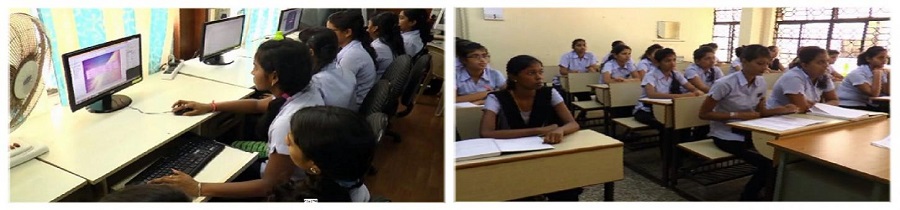
Labs are equipped with 30+ computer's and latest teaching aids like projector, boards, charts.In COPA trade students get 100% apprenticeship in government and private IT companies. Every year students attain additional knowledge and certificate like data science, Adobe Spark, Microsoft Certification etc. Every trainee executes a Project individually in Website designing, Visual basic application and in Tally application.
Operates computer and peripheral equipment to process business, scientific, engineering, or other data, according to operating instructions. Loads peripheral equipment with selected materials, such as tapes and printer paper for operating runs, or oversees loading of peripheral equipment by Peripheral Equipment Operators. Programming Assistant; installs, maintains and updates computer programs by making minor changes and adjustments to them under the guidance of computing professionals. Maintains and updates documents of computer programs and installations.
Faculty : Smt. Jyoti Bhandari, Vocational Instructor - COPA
Ms. Nutan Denge, Vocational Instructor - DTP
Trainees: Sanctioned: 48 On roll: 48 Batches: 02
Artificial Intelligence Programming Assistant (CTS)
AIPA – 24 Seats
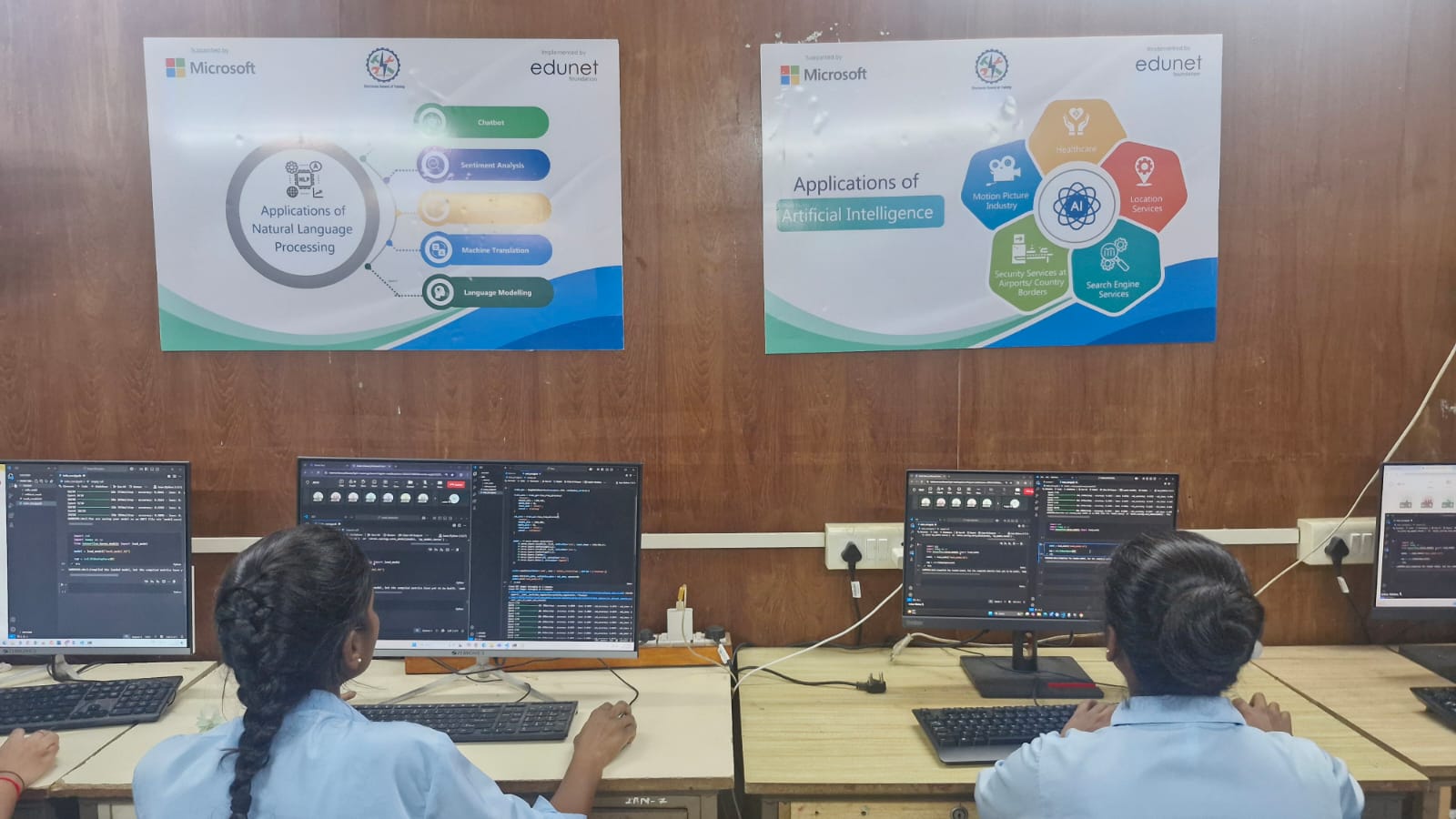
The AIPA laboratory is equipped with 20+ modern computer systems and advanced teaching aids such as projectors, charts, and high-speed internet connectivity to provide an effective learning environment.
The Artificial Intelligence Programming Assistant (AIPA) course prepares trainees for careers in Artificial Intelligence, Machine Learning, Data Science, Python Programming, Data Analytics, and Emerging Technologies. The curriculum emphasizes hands-on learning through practical assignments, self-paced courses, real-world case studies, and industry-oriented projects.
Trainees acquire skills in Python programming, data preprocessing, data visualization, machine learning model development, artificial intelligence applications, database management, and generative AI tools. Students gain experience in developing intelligent systems, predictive models, chatbots, recommendation systems, and data-driven applications.
Faculty : Mahesh Ganpat Thakur, Master Trainer AIPA
Trainees: Sanctioned: 24 Batches: 01
Dress Making (CITS)
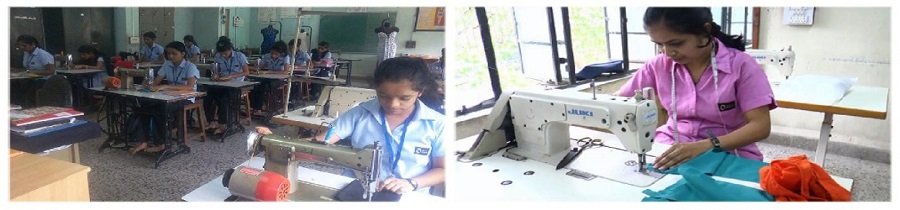
CITS —Craft Instructor Training Scheme in Dress Making
Course is based on manipulations in dress making and training is given in CAD.
After the completion of the course the trainees can work as Instructors/Trainers in ITI or in vocational training institutes, can work as Assistant Quality controller, supervisors in apparel Industry and can become entrepreneur.
Faculty : Smt. Smita Gharat, Training Officer - DM
Trainees: Sanctioned: 50 On roll: 39 Batches: 02
Fashion Design and Technology (CTS and CITS)
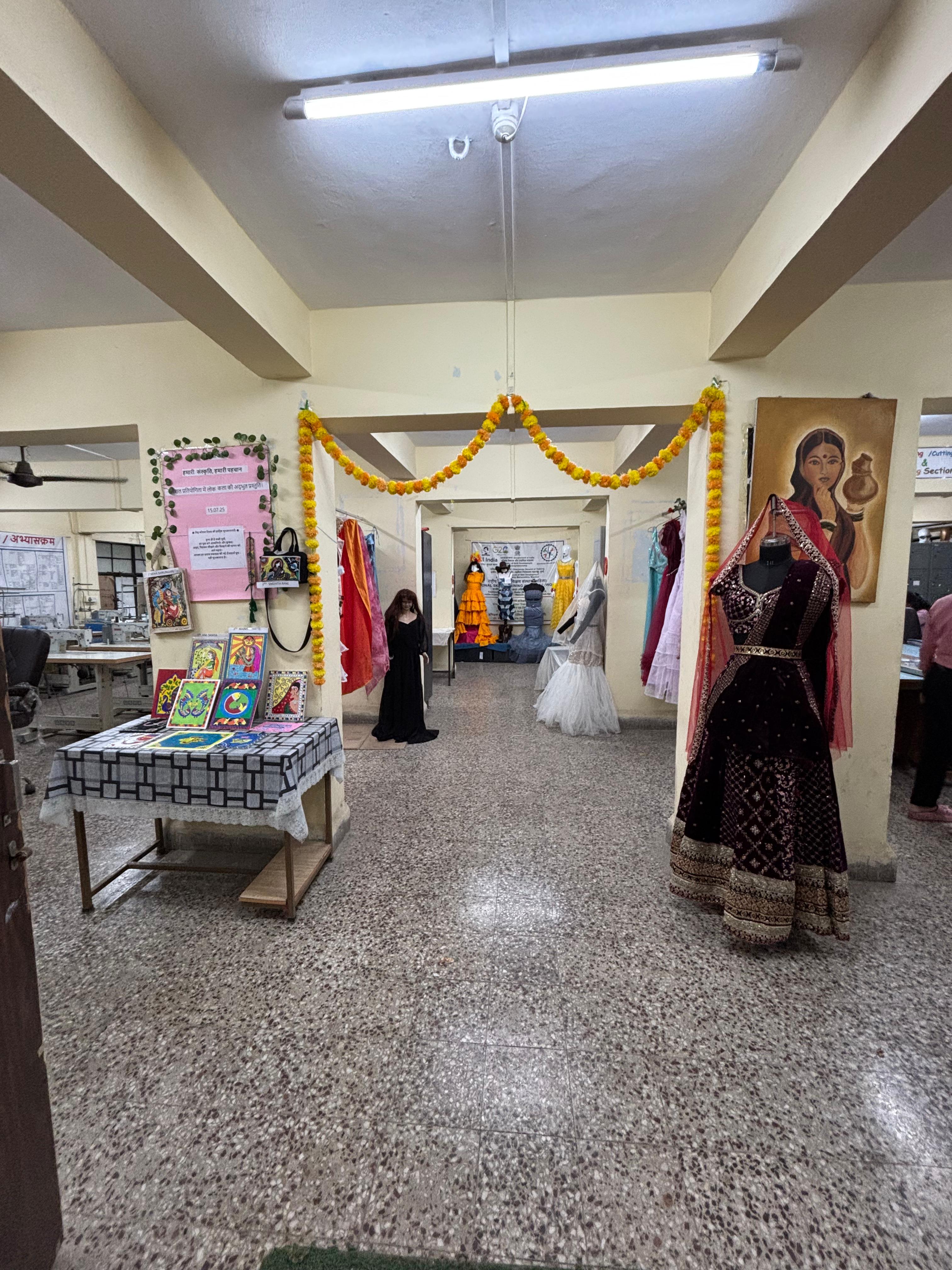
CTS:
Trainees: Sanctioned: 24 On roll: 24 Batches: 01
CITS:
Faculty : Smt. Dr. Vandana Jarolia, ADT - FDT
Trainees: Sanctioned: 25 On roll: 25 Batches: 01
Cosmetology (CITS)
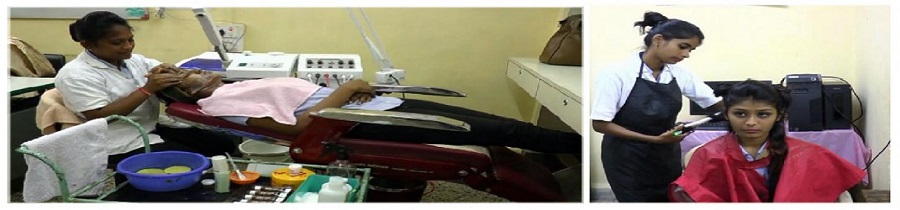
Basic cosmetology is a full time certificate course offered by NSTI (W), Dadar after 10th pass which will enable you to work in beauty parlour/salon as well as own Beauty Parlour at fraction of the cost.
We have Labs well equipped with modern parlour mirror, Refrigerator, Facial beds, facial chairs, Stool, facial trolley etc.
Practically we provide hands on knowledge with beauty products and accessories.
All latest technique’s for beautification and grooming are been taught here.
CITS:
Faculty: Ms. Preeti, Vocational Instructor - BC
Trainees: Sanctioned: 50 Batches: 02
Training Methodology
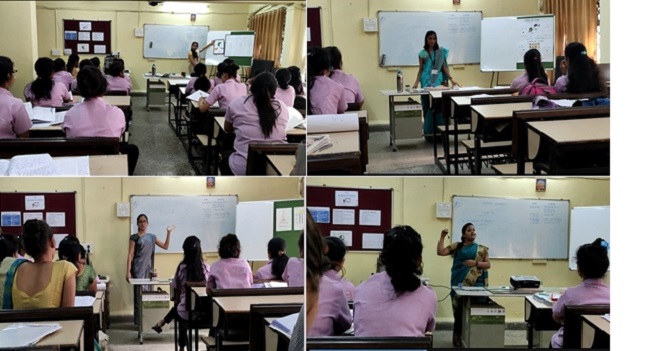
Training Methodology course caters to the need of those who want to become vocational Instructors in various Skill Training. Here Trainees are given ample practice of teaching along with preparation of various training aids viz. PPT, Charts, Felt cut outs, samples, folders etc. Theoretically it covers the psychology of learning, Instructional Technology, Syllabus Analysis, Teaching strategies, Test & testing, Management of Instructional Functions, Counselling and Mentoring, Entrepreneurship Development, Interpretation of NSQF and QP etc.